
Philosophy
Christopher Robin’s inquiry-based educational approach has roots in social constructivism and the idea that knowledge is gained through experience. As such, our school is play-based and our curriculum is driven by the children’s interests within a structured, routinized environment to ensure that the children feel safe and comfortable taking risks essential to fostering deep learning.
We believe each child is unique, capable and autonomous.
This foundation of respect and understanding is an important starting point for all learning experiences. We are inspired by the schools in Reggio Emilia, Italy and our teachers view themselves as collaborators, encouraging problem solving and connection among the children.
The community and school environment are additional “teachers,” supporting our educational values. We regularly document the children’s ideas and activities to use in curriculum planning and for meaningful reflection by teachers, parents, and the children themselves.

A rich array of materials is introduced to students to use as vehicles for self-expression and channels for ideas. Projects stem directly from their interests, lasting as long as several months or just a day.
Teachers support children’s learning by asking questions and providing thoughtful provocations. As teachers get to know the unique interests of their students, they are able to help them create narratives and scenarios to make sense of their feelings, fears, and daily life.
Our teachers promote a safe, nurturing, complex environment to support their curiosity, wonder and sense of belonging.
Children spend the majority of their day involved in small group explorations. These explorations are based on a pre-determined topic of inquiry that has been thoughtfully selected by the teachers.
In this way, our environment is quite intentional. There is room for spontaneity as curricular ideas emerge, but nothing is arbitrary in the environment.
Our Projects


Art & Music
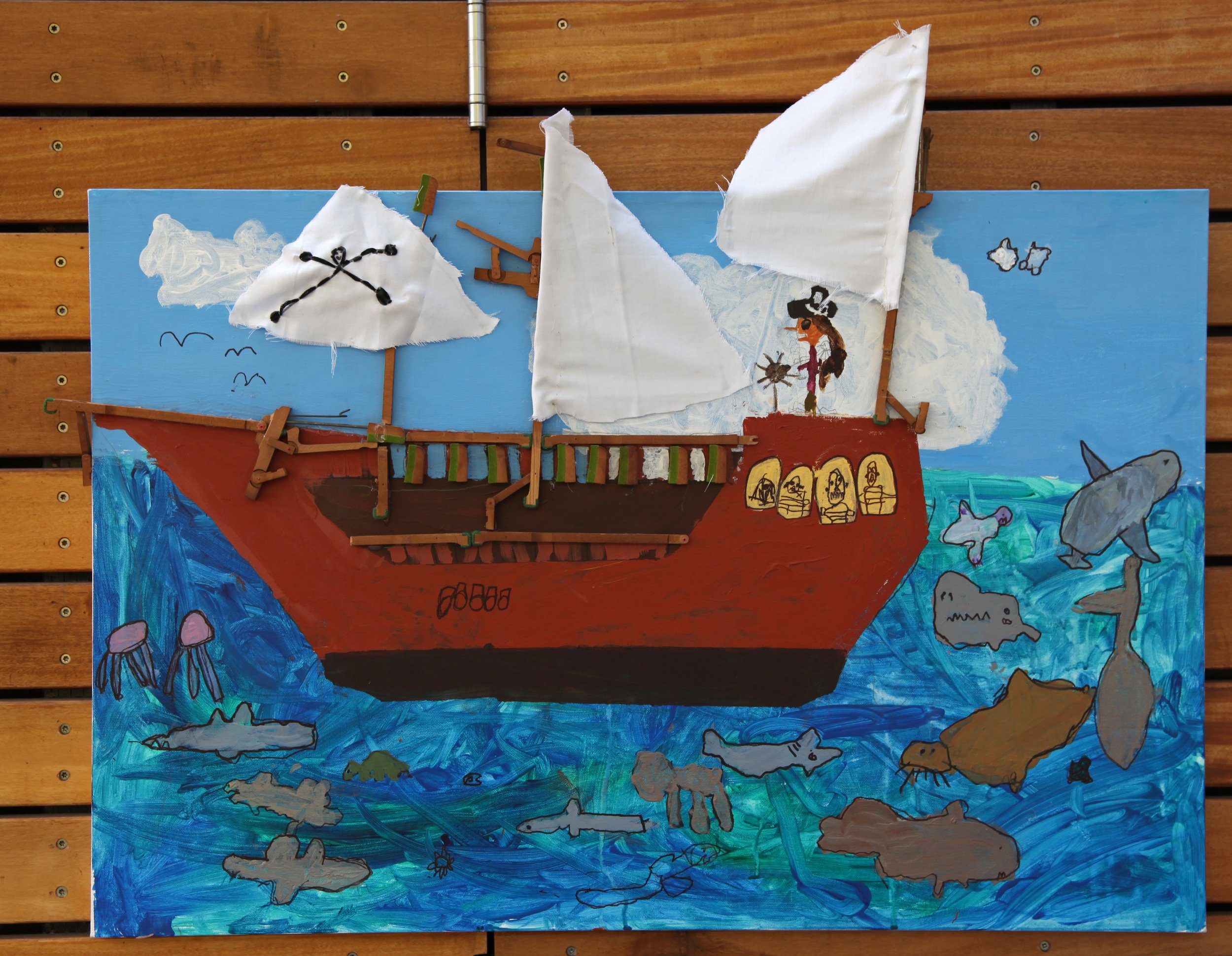
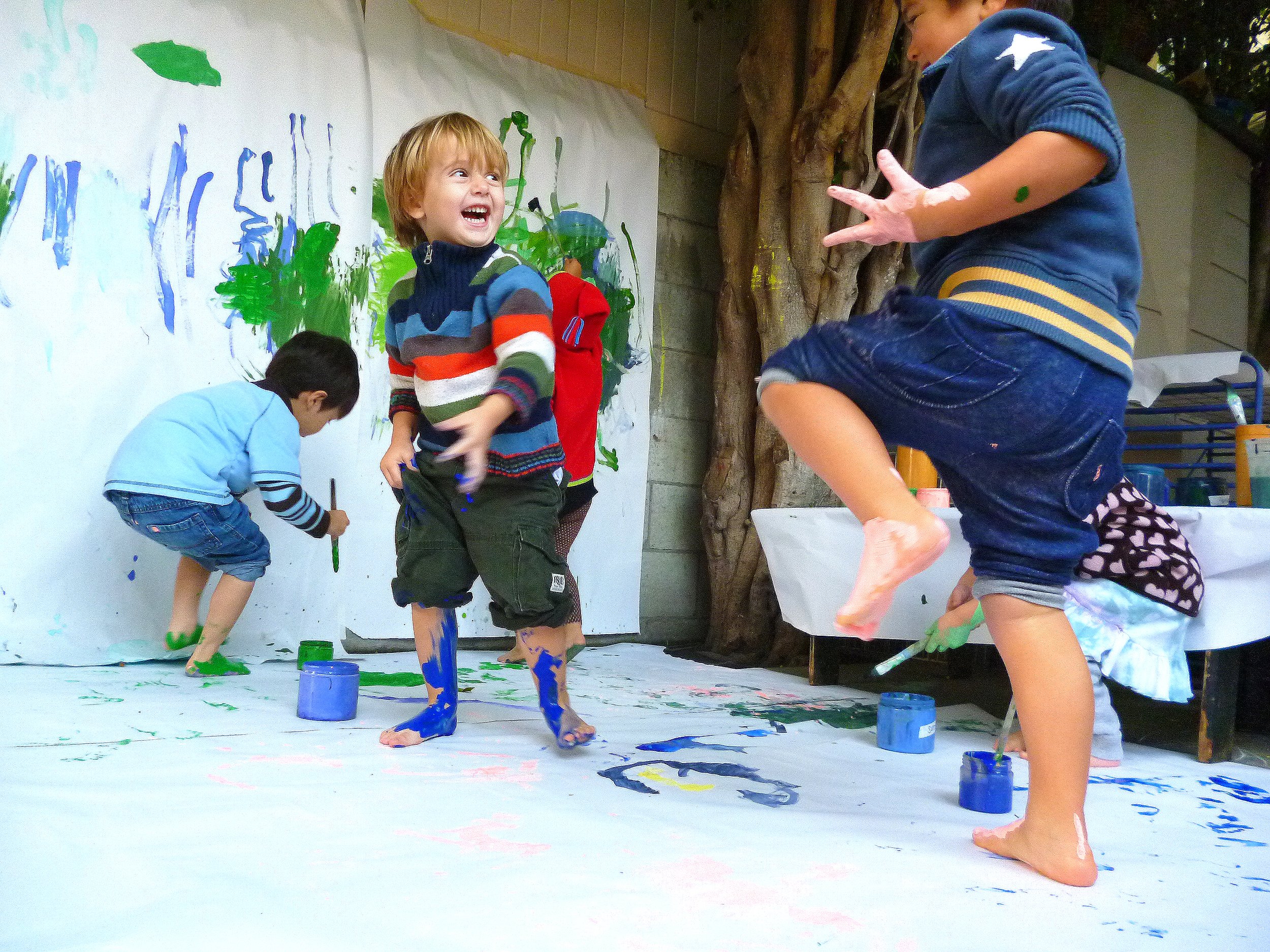
We emphasize the process of artistic exploration over the final product. Children engage with diverse materials in a way that is meaningful to them instead of solely focusing on the end result. We have dedicated art studios at each of our campuses. We use these creative workshop spaces for small group explorations, guided by a studio teacher
The materials are not limited to conventional art options such as paints and crayons, but also may include natural materials such as leaves, flowers, or twigs, or construction materials like wire, clay, and fabric.
Sometimes children use photography as an artistic medium.
We view music and movement as an important component to the learning environment and daily life. Our students have weekly music classes with a certified teacher.
Music classes focus on rhythm, melody and improvisation through an active, experiential approach. The children learn about pitch, timing, tone and movement.


Stem
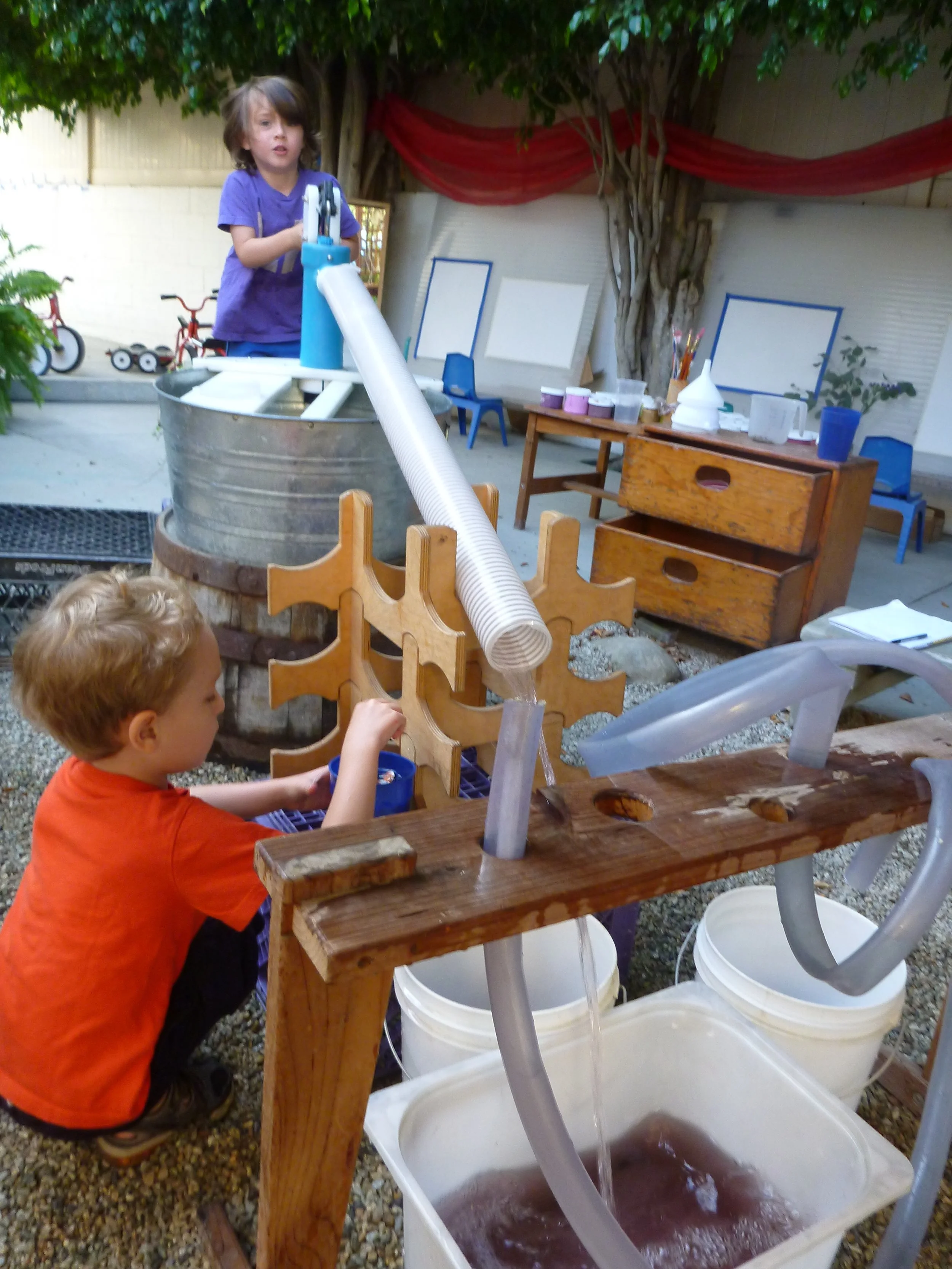
Teachers guide children in thinking about cause and effect concepts and creative problem solving daily. In this way, science, technology, engineering and mathematics is incorporated throughout our curriculum.

Literacy/Numbers
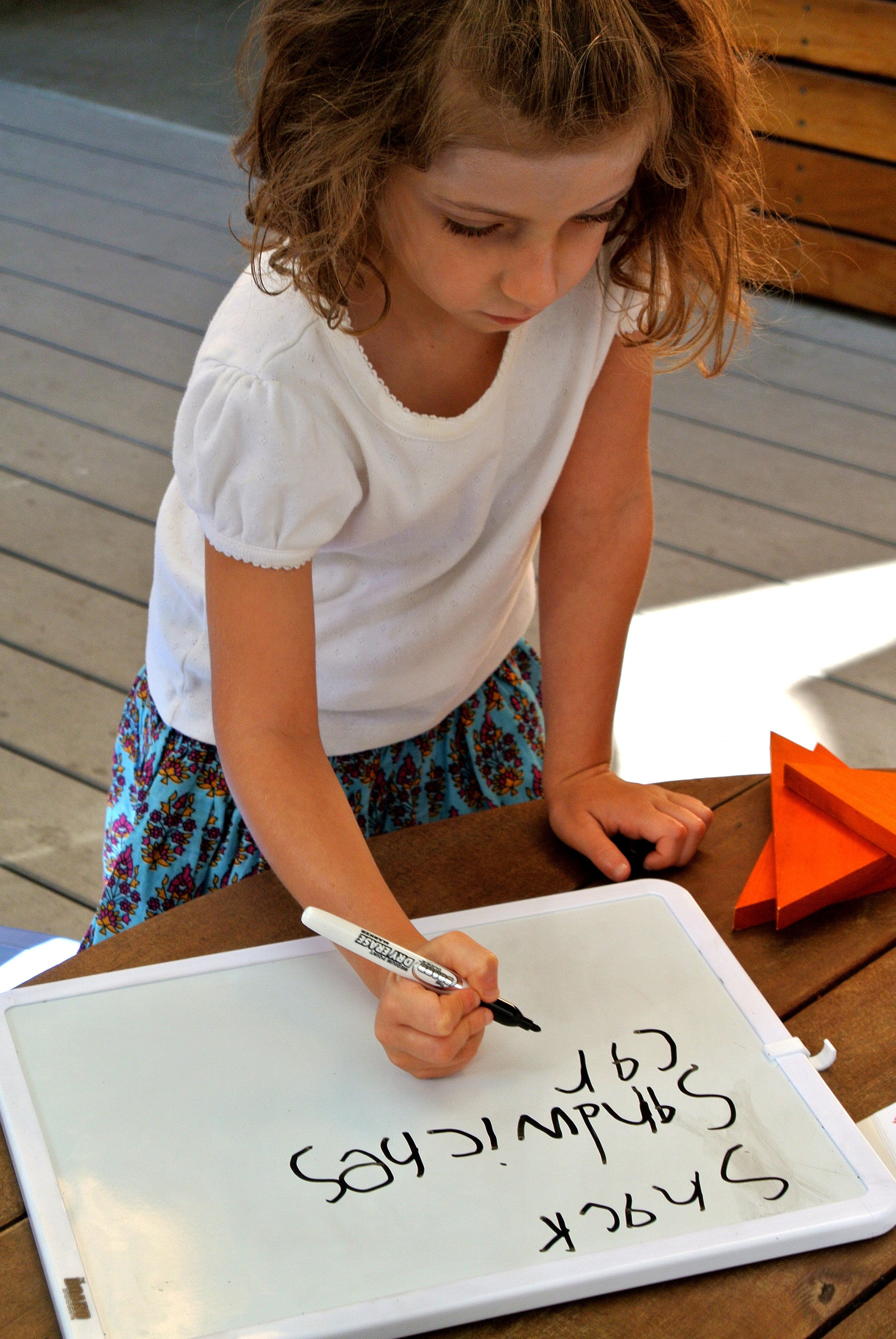
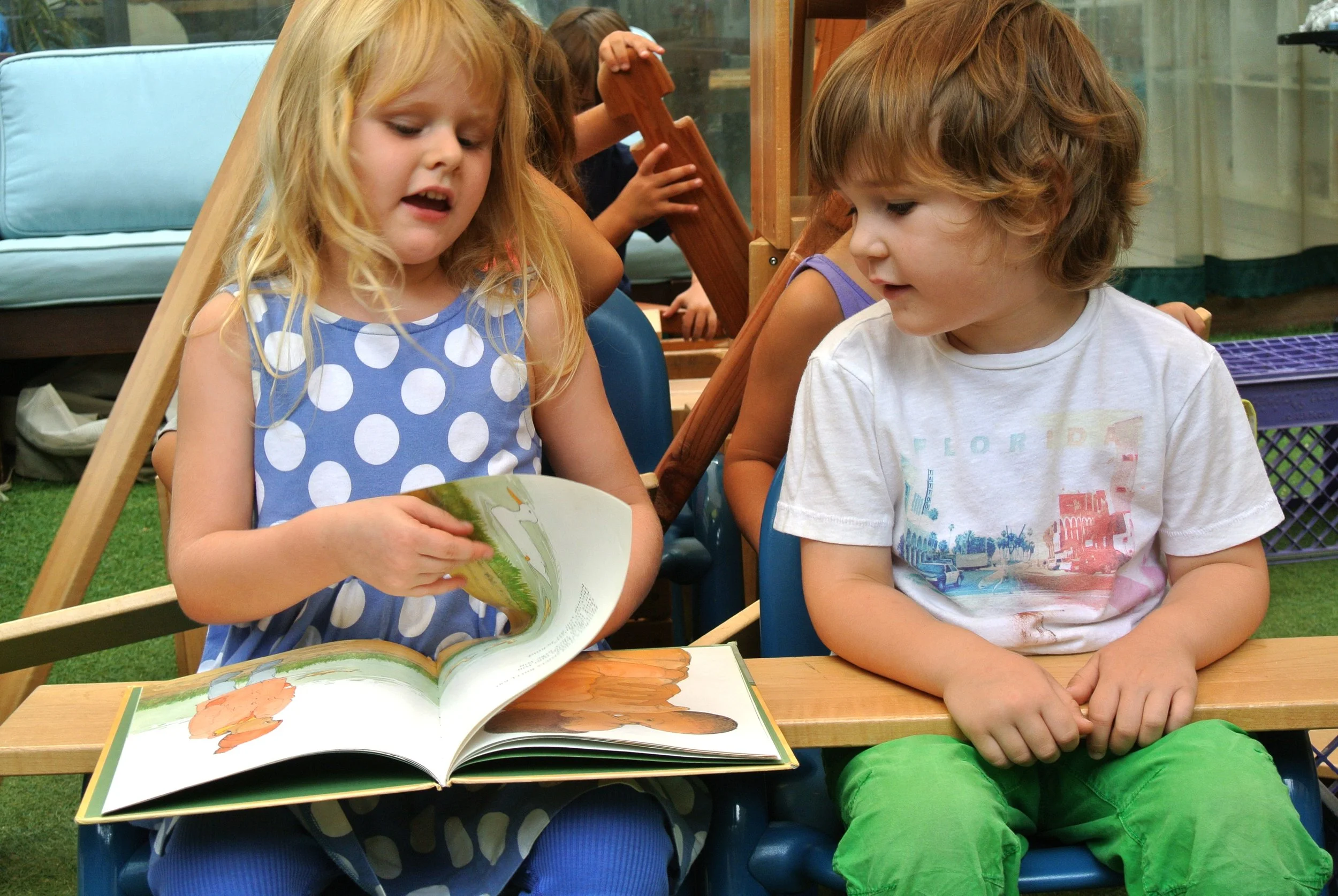
Children are inherently driven to understand the world around them. Recognizing and making meaning from symbols in the form of letters and numbers is a key part of learning to communicate. Numeracy and literacy concepts are incorporated daily into the children’s authentic experiences. Whether writing their names and notes, counting for attendance, measuring for a cooking project, or reading a book, children are using reading, writing, and math skills daily. Children are also deeply engaged in pre-literacy and numeracy experiences to form the essential building blocks to apply these concepts. Using unit blocks, manipulatives, games, graphic tools, literature, and storytelling, in playful ways creates the desire and foundation necessary to learn literacy and numeracy concepts in a formal way.

Gardening
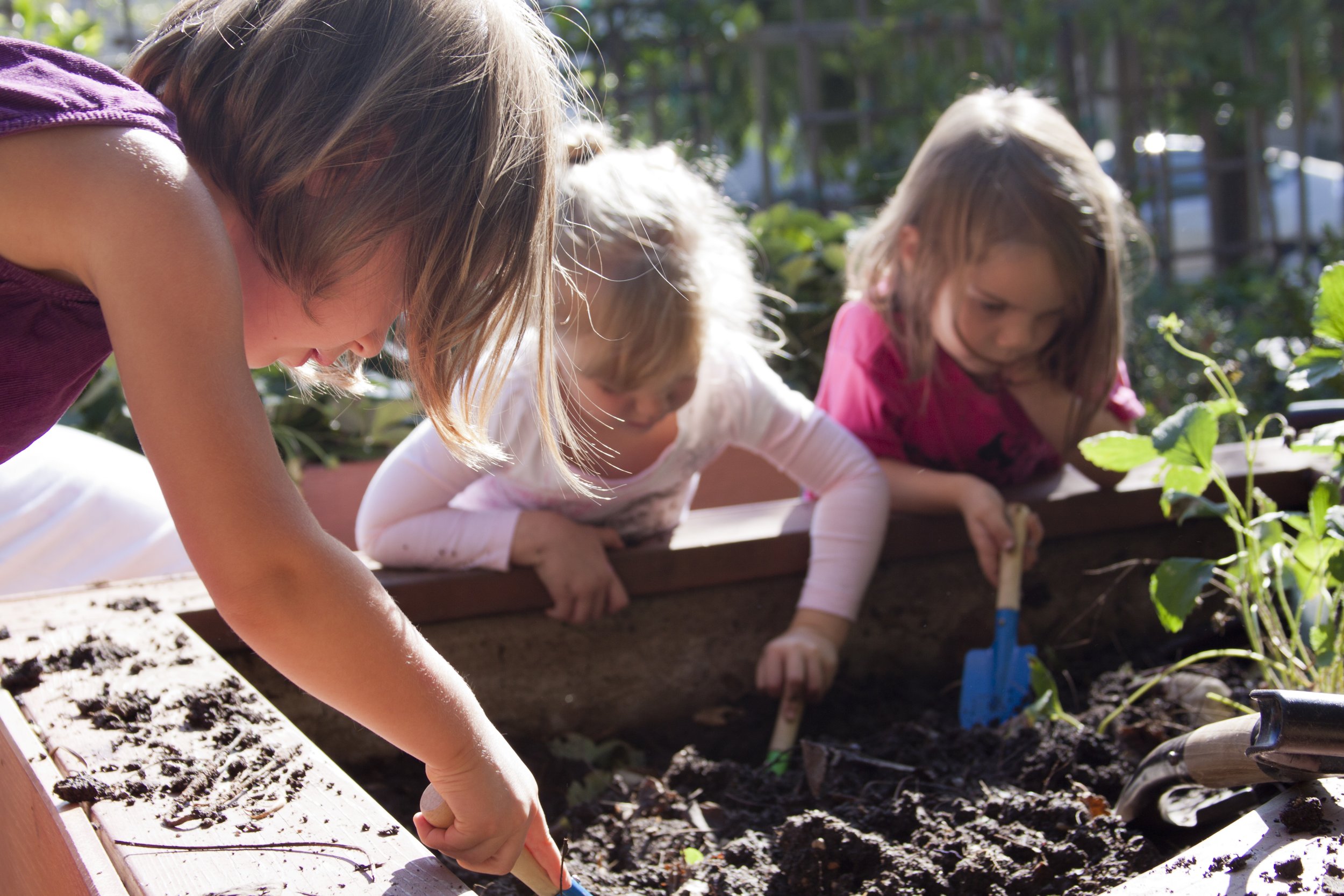
Once a week our dedicated gardening teacher comes to work with a small group of children to tend our vegetable and flower garden. This time offers an important connection to nature as well as an opportunity for sensory experiences working with soil, water, and gardening tools.

Cooking Projects

